


When pain interferes with the way you move, sit, sleep, work out, and perform everyday actions, the service of physiotherapy plays a key role in enabling you to return to normal movement patterns. Physiotherapy is related to Kind Kinetics Physio as a name in rehabilitation, movement, physical health and care involving exercise.
Kind Kinetics Physotherapy Center is known to be in Singanallur, Coimbatore, and from public websites it is registered as a physiotherapy and rehabilitation center; their own website also represents Kind Kinetics in terms of physiotherapy, yoga and pilates, and they aim at a healthy well-being with physical health and mobility.
But precisely, what is the service of physiotherapy about? For what kind of people do physiotherapists offer treatment to? What can one expect before they sign themselves up for physiotherapy?
What Is Kind Kinetics Physio?
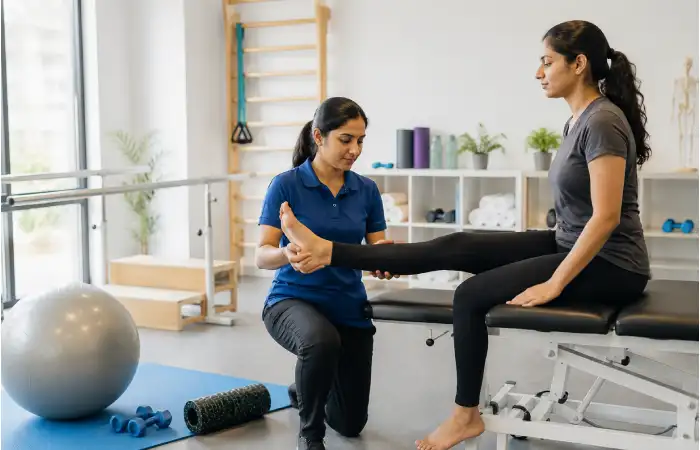
Kind Kinetics Physio – Just a few aspects of the physiotherapy services involved with Kind Kinetics. It’s all about movement, physical performance, rehabilitation, and the understanding of physical function. Physiotherapy is an allied health profession that has to facilitate the restoration of physical function and has a role in the management of several musculoskeletal and movement-related disorders. It relies on a systematic process of assessment, movement, exercise prescription, manual therapy, education and other prescribed methods.
The principle of it all is quite simple: pain is not always pain at the location that you may feel it.
Perhaps someone has pain at their knee, and what’s underlying the knee complaint is weak hip muscles, bad moving habits or restrictions in mobility elsewhere in your body. A good Physiotherapist’s assessment will not focus on just the area you complaint pain in. Their public information also discusses physiotherapy as well as their yoga & Pilates, outlining “Kind Kinetics Physio philosophy surrounds a ‘mindful movement and wellbeing’ approach…”
What Does Physiotherapy Actually Mean?

Physiotherapy is a form of healthcare which enables you to move and function at your best. Physio is something you might get referred for after a new injury or operation. Or you may be looking for some therapy if you’ve not been very active and have been getting a little more stiff and achy, and this is interfering with everyday things.
A physiotherapist may assess things such as:
- Joint movement
- Muscle strength
- Flexibility
- Balance
- Posture
- Walking patterns
- Coordination
- Physical endurance
- Movement habits
- Functional limitations
The treatment plan depends on the individual rather than following one identical routine for everyone.
That is one reason physiotherapy should not be viewed simply as a collection of exercises. The assessment matters just as much as the exercises themselves.
Why Are People Interested in Kind Kinetics Physio?
People typically look for physiotherapy treatment once something begins to restrict their everyday motion. This could be a chronic back issue. It may be shoulder stiffness after an injury.
People may require rehabilitation after surgery, or want assistance in resuming their workout regimen or sporting endeavors.
Patient reviews of Kind Kinetics Physiotherapy Center in Coimbatore often highlight pain relief, exercise instruction, amiable conversation, and clear explanations of mechanical issues. As of now, the clinic is listing a high score, though patient experiences should always be viewed as personal rather than prescriptive about the results of treatment. One other factor that causes people to seek physiotherapy treatment is the desire to address the problem instead of simply masking the symptom. There is a difference, and although pain relief may be the priority, building strength, mobility, confidence and bodily function can be just as relevant.
Common Problems Physiotherapy May Address
The particular reasons for Physiotherapy’s potential applications are incredibly broad, given the variety of issues the body might develop. Your treatment relies, for the most part, on the assessment of your ailment or complaint, plus your own private history.
Back and Neck Problems
Back pain and neck pain are arguably the top reasons people visit us. These can occur for a variety of reasons including prolonged sitting, movement dysfunction, repetitive actions, decreased activity levels or past trauma. When the spine or neck presents issues, your physiotherapist will typically assess the posture of your back/neck, the way your spine moves, your muscular strengths, flexibility and how you do your everyday tasks.
A physiotherapist doesn’t mean ‘sit up straight’ the entire day.
Most of the time, the beneficial strategy involves improving movement options and establishing movement strategies to last.
Shoulder Problems
An activity you may take for granted could prove extremely difficult. The pain of some shoulder complaints means simply reaching up, pulling a shirt on, holding shopping, or finding a comfortable sleeping position are tasks made immensely hard! Depending on why your shoulder is sore, the physio treatment may include mobility work, strengthening exercises, movement re-education, and advice.
Knee Problems
If your knee pain stops you from walking or climbing stairs with relative ease, exercising at all or simply being able to stand up from a seated position without too much fuss, the approach I usually take is looking at more than just the local structures.
This is because the knee doesn’t work in isolation – the hip, ankle, our balance and coordination, and the way we walk, run, jump and run (our gait) can have a massive impact on how your lower limb operates. A clinical assessment will help to identify if these factors require addressing.
Sports Injuries
You will probably receive physiotherapy during your injury rehabilitation, whether you are an athlete and keen sportsmen/women or do the sport for a bit of recreation to stay fit. Physiotherapy doesn’t just want to take the pain away. To ensure a safe return to training/ sport/ activity will often incorporate building adequate strength, range of motion, coordination and confidence. Hence, the 1st physiotherapy session and last ones may look completely different.
Post-Surgical Rehabilitation
There are other types of surgery which will require a planned rehabilitation procedure thereafter.
Physiotherapy after any surgery can be beneficial, depending on the type of surgery performed, to restore function, increase range of movement, build strength, and gradually return to normal activity.
Post-operative rehabilitation, however, must only be carried out after the guidance of medical personnel and the type of surgery.
What Happens During a Physiotherapy Assessment?
A first appointment often begins with a conversation.
The physiotherapist may ask:
- When did the problem begin?
- What makes it better or worse?
- Did an injury occur?
- What activities are difficult?
- Have you received previous treatment?
- What does your normal day look like?
- What are your goals?
The physical assessment may then involve movement tests, strength checks, flexibility assessments, balance evaluation, or functional movements.
This process helps the therapist build a clearer picture.
Physiotherapy Assessment
A physiotherapy assessment is the process of collecting information about a person’s symptoms, physical abilities, movement patterns, and functional limitations so that an appropriate rehabilitation strategy can be developed.
This is why a good first appointment should feel more like an investigation than a rushed exercise session.
Exercise Is an Important Part of Rehabilitation
One of the biggest misunderstandings about physiotherapy is that treatment is something that happens only inside the clinic.
In reality, rehabilitation often depends heavily on what happens between appointments.
Exercises can help develop:
- Strength
- Mobility
- Balance
- Coordination
- Endurance
- Motor control
- Confidence with movement
The right exercise is not necessarily the hardest.
A simple movement performed correctly and progressed at the right time can be more useful than an advanced exercise performed too early.
Consistency also matters.
Someone who performs an appropriate home exercise program regularly may make more meaningful progress than someone who performs complicated exercises only occasionally.
Kind Kinetics Physio and a Movement-Based Approach
The name “Kinetics” naturally connects with the study of movement, and the Kind Kinetics brand describes its philosophy around movement as an important part of health and wellness. Its website combines physiotherapy with yoga and Pilates.
Movement-Based Rehabilitation
Movement-based rehabilitation is an approach that uses purposeful physical movement to restore function, develop capacity, and help a person return to activities that matter to them.
This does not mean that every patient needs the same exercise routine.
Someone recovering from a sports injury may need progressive strengthening. Someone dealing with stiffness may initially need mobility work. Another person may require balance or functional training.
The treatment should match the individual.
Physiotherapy vs. Gym Training: What Is the Difference?
The two can look similar because both may involve exercises, but their objectives are different.
| Feature | Physiotherapy | General Gym Training |
| Main purpose | Rehabilitation and improving physical function | Fitness, strength, muscle development, or general conditioning |
| Assessment | Usually begins with an individual physical assessment | Often begins with fitness goals and training preferences |
| Exercise selection | Based on symptoms, function, and rehabilitation goals | Based on fitness objectives |
| Injury management | Can be part of rehabilitation when appropriate | Usually not the primary purpose |
| Progression | Often linked to recovery and functional milestones | Usually linked to training performance |
| Education | Movement, recovery, activity modification, and self-management | Exercise technique and training habits |
There is also considerable overlap.
A person may complete physiotherapy and later continue strength training at a gym. In fact, progressive strength training can be an important part of maintaining physical capacity after rehabilitation.
Kind Kinetics Physio, Yoga, and Pilates
Kind Kinetics is unique because they combine physiotherapy with yoga and Pilates.
Yoga may focus on factors such as flexibility, breathing, balance, movement and body awareness, while Pilates often emphasizes controlled movement, core strength, coordination and body control.
When suitable for an individual and chosen correctly, they can supplement other wellness interventions. The word ‘natural’ or ‘gentle’ does not always mean it’s right for everybody. Individuals with existing injuries or medical conditions need to ensure that their exercises are adapted with professional guidance. On the Kind Kinetics website, physiotherapy, yoga and Pilates are integrated within their overall wellness services.
What Makes a Good Physiotherapy Experience?
Choosing a physiotherapy centre is not only about equipment or the number of exercises available.
The quality of communication matters.
A patient should ideally understand:
- What the therapist thinks may be contributing to the problem.
- What the immediate treatment goals are.
- Which exercises are being prescribed.
- How often those exercises should be performed.
- What activities may need temporary modification.
- How progress will be evaluated.
Public reviews for Kind Kinetics include comments about therapists listening to patients, explaining problems, and providing exercise guidance. These are useful indicators of patient experience, although individual experiences naturally vary.
Why Patient Education Matters
Imagine being told to perform ten exercises without knowing why you are doing them.
It becomes easy to lose motivation.
Now imagine understanding that one exercise is designed to improve strength, another addresses mobility, and another prepares you for a particular daily activity.
The same exercise can feel completely different when its purpose is clear.
Patient Education
What is Physiotherapy Patient Education? Physiotherapy Patient Education refers to a process in which the patient develops understanding about their physical issue, the movement patterns associated with this issue, exercises and other rehab processes, and how they are able to effectively manage themselves for the physical wellness of the patient. This form of education also plays a vital role in making patients more involved in the rehab process.
How Long Does Physiotherapy Take?
There is no universal number of sessions.
Recovery time depends on factors such as:
- The nature of the problem
- How long symptoms have been present
- Previous injuries
- Age and general physical condition
- Strength and mobility
- Adherence to exercises
- Lifestyle
- Work demands
- Surgical history
- Individual recovery response
A relatively simple condition might benefit from only a couple of weeks of therapy. A more severe injury or rehabilitation following surgery could take weeks or months. Let’s try to aim for meaningful progress in function, not for an arbitrary number of sessions. Progress may look something like better stair management, walking further, being able to lift an object safely, getting back to a sport you love, or an uninterrupted sleep.
What Should You Take to a Physiotherapy Appointment?
A first appointment is easier when you arrive prepared.
Consider taking:
- Previous medical reports
- Relevant scan or imaging reports
- Prescription information
- Details of previous treatment
- A list of current symptoms
- Information about previous injuries
- Comfortable clothing that allows movement
You should also be prepared to explain what you want to achieve.
Instead of simply saying, “I have knee pain,” it can be more helpful to say, “I want to be able to climb stairs comfortably again.”
That gives rehabilitation a practical target.
What Should You Ask a Physiotherapist?
If you are considering Kind Kinetics Physio or another physiotherapy provider, asking questions before beginning treatment can help you understand the process.
Useful questions include:
- What could be contributing to my symptoms?
- What is the goal of the treatment?
- Which exercises should I perform at home?
- How often should I do them?
- Which activities should I temporarily modify?
- How will we measure progress?
- When should I expect a reassessment?
- What signs would mean I need to see another healthcare professional?
These questions do not challenge the therapist. They make the treatment process clearer.
When Physiotherapy May Not Be Enough
Physiotherapy is excellent but not appropriate for all types of healthcare. If you present with certain symptoms, you should attend the doctor immediately. If symptoms are acute or intense, if you have suffered major trauma or if you present with unexplained new neurological signs (such as change in limb tone/strength), any marked leg weakness (or arm weakness), other than symptoms that can be readily explained, physiotherapy should appropriately refer you to your GP for further medical opinion and advice. Any responsible physiotherapy service will screen their patients for such symptoms.
The Importance of Consistency After Treatment
One of the most overlooked parts of rehabilitation is what happens after the symptoms improve.
Feeling better does not necessarily mean the body has regained its previous capacity.
If someone stops all strengthening and movement as soon as pain decreases, the original limitations may gradually return.
That is why long-term physical health is often about building habits rather than completing a short treatment program.
Simple habits can make a difference:
- Walk regularly.
- Break up long periods of sitting.
- Build strength gradually.
- Maintain useful mobility.
- Learn proper exercise technique.
- Avoid suddenly increasing training volume.
- Listen to persistent or changing symptoms.
- Follow professional advice when recovering from an injury.
Kind Kinetics Physio: Who May Consider It?
Kind Kinetics may be relevant to people looking for physiotherapy, rehabilitation, movement-focused care, or complementary wellness activities in the Coimbatore area.
It may particularly interest people looking for support with:
- General musculoskeletal rehabilitation
- Movement limitations
- Back and neck concerns
- Joint-related problems
- Sports rehabilitation
- Exercise guidance
- Physical conditioning
- Yoga
- Pilates
- General mobility and wellness
The specific suitability of treatment should always be determined after an individual assessment.
A Simple Way to Think About Physiotherapy
The Way I think about physio: if I’ve had to explain to the man in the street how I feel physio helps people, I’d describe it as building a bridge. At the one end is the problem – the pain, stiffness, weakness, or movement restriction, or even loss of confidence. At the other end is the solution you’re working towards – walking for miles with your family, back into that sport, no pain in work, at home up and downstairs without really thinking, running at the gym, moving your body and not having to do this mentally all the time – basically back to having a normal life! I can view Physio as a bridge builder – exercises build the pieces, assessment helps you use the map, and you lay down the blocks.
Final Thoughts
This relates to the center as “Kind Kinetics” is a movement-based physiotherapy & wellness studio based in Coimbatore. Their public website has “physiotherapy” and also includes yoga and pilates. Public patient reviews talk about experience with pain relief, exercise advice, communication, etc and their rehab experience.
Also Read: https://www.themarketingicons.com